The moment a child spots a blue tang flashing over a coral head, the beach day changes completely. A family snorkel tour in Sint Maarten can give everyone that moment, from the first-time snorkeler holding a guide’s hand to the confident teen searching for turtles. The key is not covering the most water. It is choosing conditions, equipment, and a pace that lets each person feel comfortable enough to look down and enjoy the reef.
At The Scuba Shop we can help you book the best snorkel tour - Sint Maarten is especially well suited to family time on the water because there are sheltered bays, clear Caribbean visibility, and marine life close enough to the surface for snorkelers to appreciate. But the best experience is never one-size-fits-all. A family with young children, a multigenerational group, and a crew of strong swimmers may all need a different plan.
A good family outing begins with the right expectations. Snorkeling is easy to learn, but it is still an open-water activity. Wind, swell, currents, visibility, confidence levels, and the attention span of the youngest guest all shape the day. A knowledgeable local team watches those details and selects a location that makes sense for the group rather than forcing a fixed itinerary.
For many families, calmer water matters more than traveling far offshore. A protected reef or shallow bay gives new snorkelers time to settle into breathing through the snorkel, clear a little water from a mask, and get used to floating face-down. Once that initial uncertainty fades, the underwater world begins to feel wonderfully close.
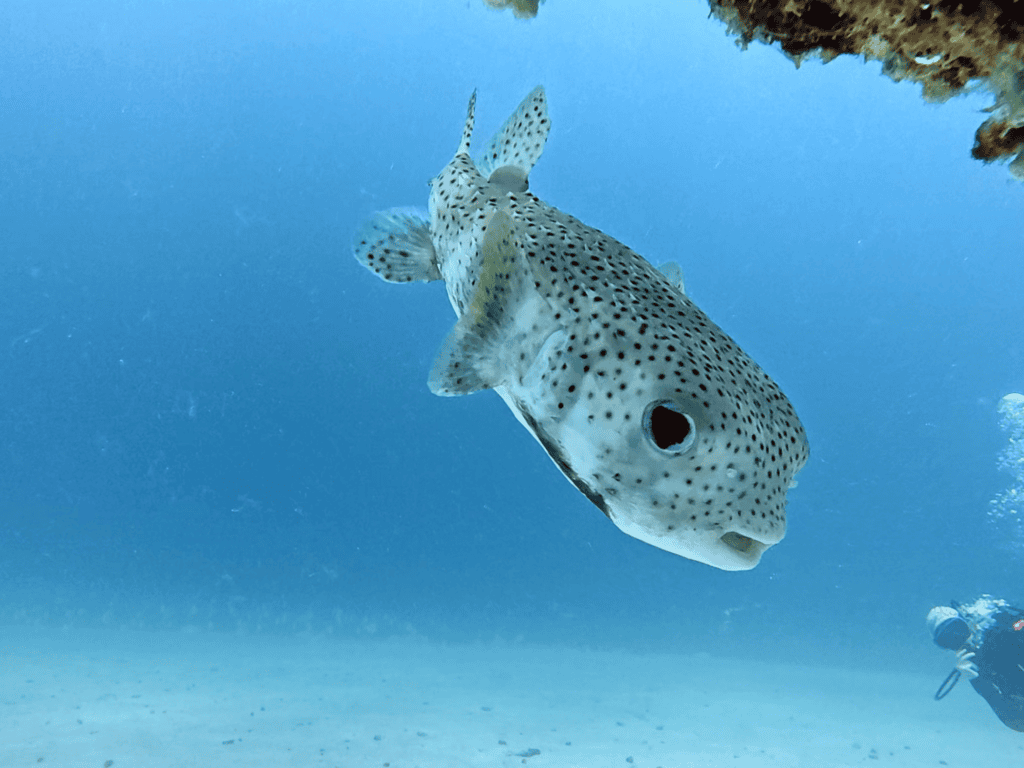
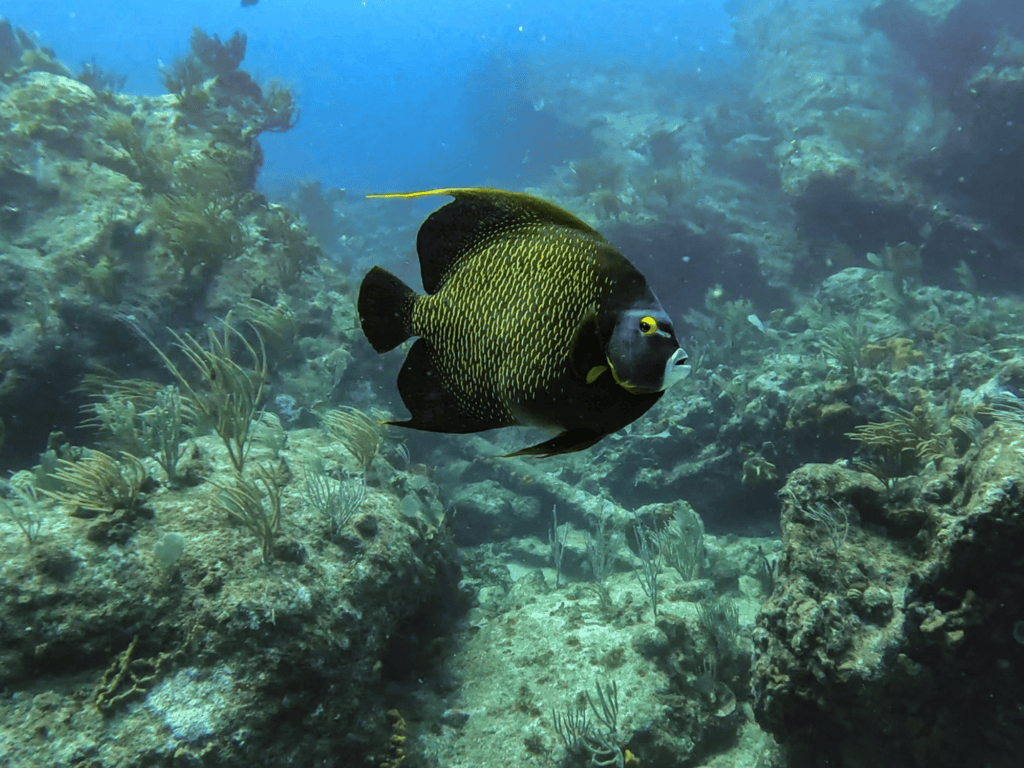
Guided trips also remove the small hassles that can distract from the fun. Instead of wondering where to enter, what fish are safe to approach, or whether a particular reef is appropriate for children, families can focus on the experience. Guides can point out reef fish, rays, turtles, and the smaller creatures that are easy to miss without a trained eye.
A boat-based snorkel trip can be an exciting choice for families with comfortable swimmers who want to reach reefs beyond the beach. It adds the fun of being on the Caribbean water, not just in it. It does require families to be comfortable boarding a vessel, listening to a safety briefing, and spending time in deeper water.
For younger children or anyone uneasy in waves, a shore-access snorkel at a calm site may be the better call. There is less transition time, easier access to breaks, and a more gradual entry. Neither option is automatically better. The right choice is the one that keeps the least experienced person relaxed and supported.
The most useful preparation happens before anyone steps into the sea. Let the operator know the ages of your children, their swimming ability, whether anyone has anxiety around water, and any mobility or medical considerations. Honest information helps the team recommend the appropriate trip and prepare the right level of support.
Children do not need to be expert swimmers to enjoy snorkeling, but they should be supervised closely and use properly fitted flotation when needed. A snug snorkel vest gives a child buoyancy without the bulk of a life jacket, while an adult can remain right alongside. Flotation is not a replacement for supervision. It simply helps conserve energy and build confidence.
Mask fit is another make-or-break detail. A quality mask should seal gently against the face without being painfully tight. Have each family member try it before departure, especially children. Hair caught under the silicone skirt can cause leaks, so pull long hair clear. A mask that constantly floods can turn a magical reef into a frustrating memory fast.
It is worth practicing two simple skills in shallow water: breathing slowly through the snorkel and lifting the head to breathe normally if something feels uncomfortable. This gives children an easy reset button. They do not have to push through fear or figure everything out underwater.
Keep the packing practical. Bring swimwear, a towel, a reusable water bottle, and a dry change of clothes for the ride back. A rash guard or UPF shirt is particularly helpful because shoulders and backs spend long periods exposed to the Caribbean sun. A hat and sunglasses are useful before and after the snorkel, but they stay on the boat or shore while in the water.
Choose reef-safe sun protection and apply it well before entering the water. Better yet, use sun-protective clothing as the first line of defense. Sunscreen can wash into the sea, while a long-sleeve swim shirt protects skin without adding anything to the reef environment. Visiting during winter when your local store sells fleeces not sun-protection? Not a problem, The Scuba Shop is well stocked with reef-safe sun protection from Stream2Sea and Sun Bum as well as a great selection of long-sleeve sun-shirts and leggings for swimming, boating and beaching.
If someone in your group gets motion sick, plan ahead. A boat ride can be smooth one day and bouncy the next, depending on conditions. Ask a medical professional about suitable options before the trip, eat a light meal, stay hydrated, and spend time looking toward the horizon rather than down at a phone.
Underwater cameras can be fun, but they should not become the mission. First-time snorkelers should get comfortable floating and breathing before attempting photos. For children, a few moments spent actually watching a parrotfish graze on coral will usually be more memorable than a rushed attempt to photograph it.
The simplest rule is also the most important: look, do not touch. Coral is a living animal, not an underwater handrail, and even a light touch can damage it. Holding distance also protects snorkelers from accidental scrapes and protects marine life from stress.
Encourage children to keep their fins up and their bodies horizontal. Kicking downward near shallow coral can stir sand, reduce visibility, and break fragile reef growth. Slow, small fin kicks work better than frantic splashing. A calm snorkeler sees more anyway.
Do not chase turtles, rays, or fish for a closer view. Give animals room to choose their own path. The most remarkable encounters often happen when people float quietly and let the reef carry on as usual. Never feed wildlife, collect shells or coral, or stand on the seabed unless a guide has clearly confirmed it is a safe sandy area.
These habits are not just good manners. They help keep Sint Maarten’s reefs healthy for the next family arriving with the same wide-eyed anticipation.
Caribbean weather can shift, and the most experienced captains and guides will change a plan when wind, waves, or currents make a site less suitable. That is not a disappointing detour. It is good decision-making. A protected location with decent visibility and easy entry is often far more enjoyable than a famous site that is choppy that day.
Families should also plan for a shorter first snorkel than they think they need. Twenty focused minutes can be perfect for a nervous child or first-time adult. A break for water, shade, and a little encouragement may be all that is needed before going back in. Stronger swimmers can often spend more time exploring with the guide while younger guests rest with a parent or guardian.
At The Scuba Shop SXM, experienced diver-staff can help families choose appropriate gear and prepare for a safe, exciting island adventure. Ask questions before leaving the dock or shoreline. There is no prize for pretending to understand an instruction that deserves a second explanation.
It depends on the child’s comfort in water, ability to listen to instructions, and conditions on the day. Some children are ready for a supervised surface experience at a young age with flotation and close adult support. Others will enjoy viewing marine life from the boat or shallow shoreline first. Let readiness, not a birthday, make the decision.
Not necessarily. Properly fitted rental snorkel equipment is often the simplest option for travelers, particularly when packing space is limited. If you bring your own mask, test it before vacation. A familiar mask can be reassuring, but only if it seals well.
Tell the guide before the trip begins. Many people gain confidence with flotation, a calm entry, and a guide nearby. If the person remains uncomfortable, it is perfectly fine to stay closer to shore, enjoy the boat ride, or sit out a portion of the water time. A positive first experience matters more than checking every activity off the schedule.
The best family snorkel days leave everyone with a story: the child who finally trusted the mask, the grandparent who spotted a turtle, or the quiet minute when the whole group floated above a living reef. Give your family enough time, choose support over pressure, and let the Caribbean set the pace.
Browse our website www.thescubashopsxm.com for more information or email us at info@thescubashop.net to make a booking.